Next Move
The scouting engine connecting ambitious players and clubs across steps 1–6 of English football.
The scouting engine connecting ambitious players and clubs across steps 1–6 of English football.
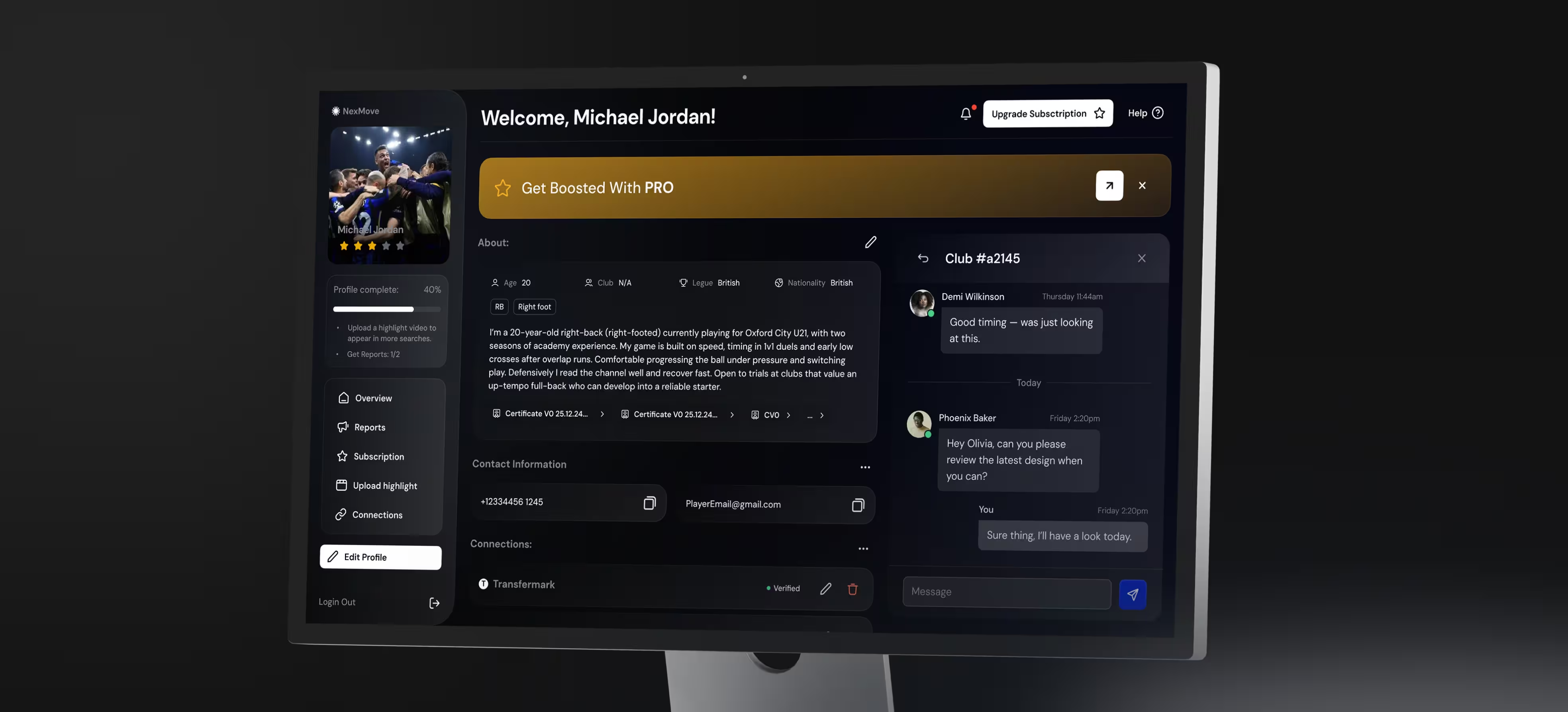
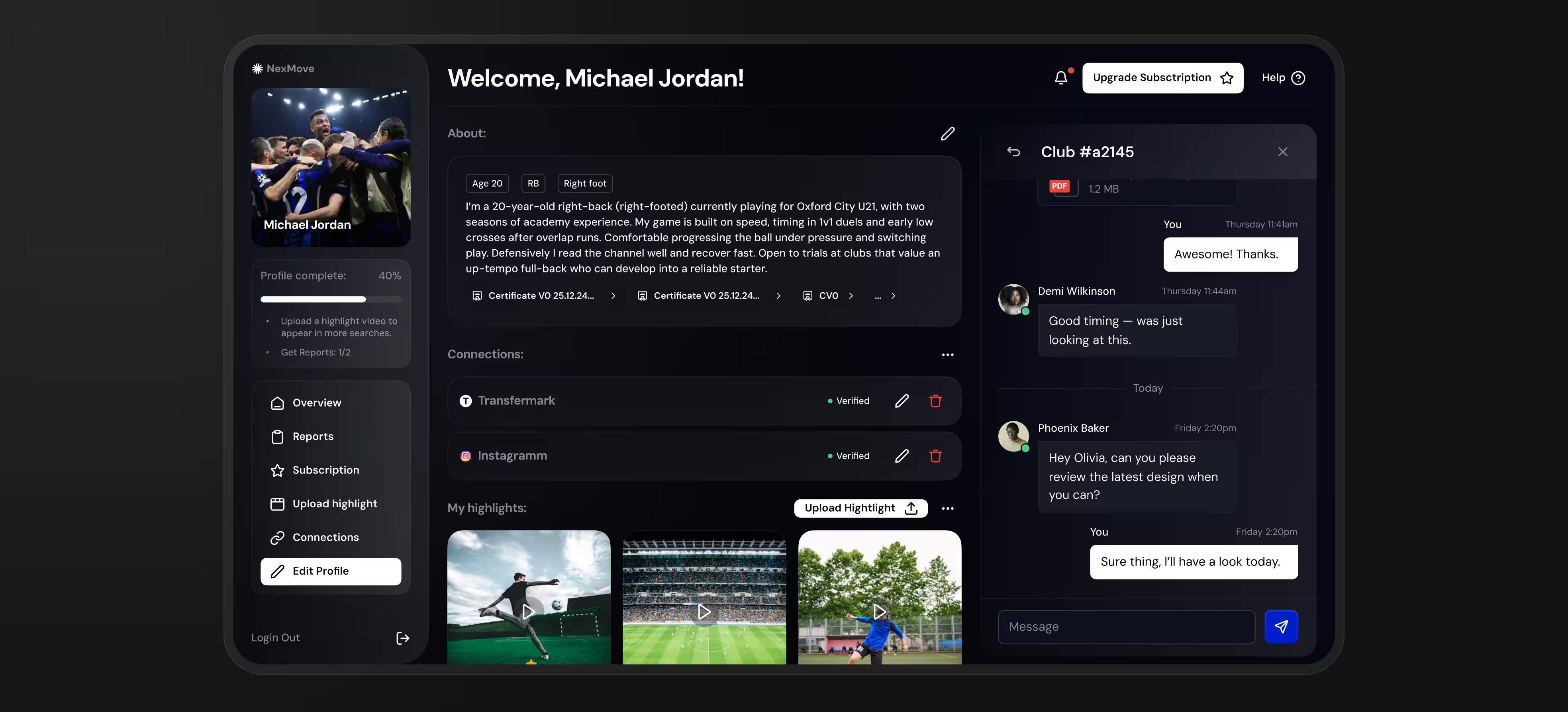
NextMove is a web-first football scouting platform built from scratch to connect ambitious players, semi-pro clubs, and independent scouts across the English game. Players create credible profiles with highlights, verified connections, and scout reports — turning “self-claimed talent” into trusted, reviewable evidence. Clubs search, filter, and shortlist players, then move conversations forward through the platform. Scouts manage assignments and submit structured reports that power a clear verification signal.
Trust and reach are broken below pro tiers.
Map three journeys, then design trust-first flows.
Verified profiles, scout reports, and gated access.
MVP screens ready for pitching and build.
A club manager needs a right-back for Saturday and has no time for endless calls. A player wants visibility beyond local networks and needs proof, not hype. A scout is busy and paid per report, so the workflow must be fast and structured. NEXT MOVE makes these moments simple: search, verify, shortlist, and start a controlled conversation inside the platform.
Below the top leagues, recruitment runs on personal networks and scattered messages. Players inflate profiles, clubs waste time, and scouts lack a clean way to attach credible evidence. The first experience must feel “data-rich” while staying friendly and readable.
Clubs rely on manager’s personal contacts.

Players cold-message clubs with low response.
Scouts write long reports with no structure.
Trust breaks when details can’t be verified.

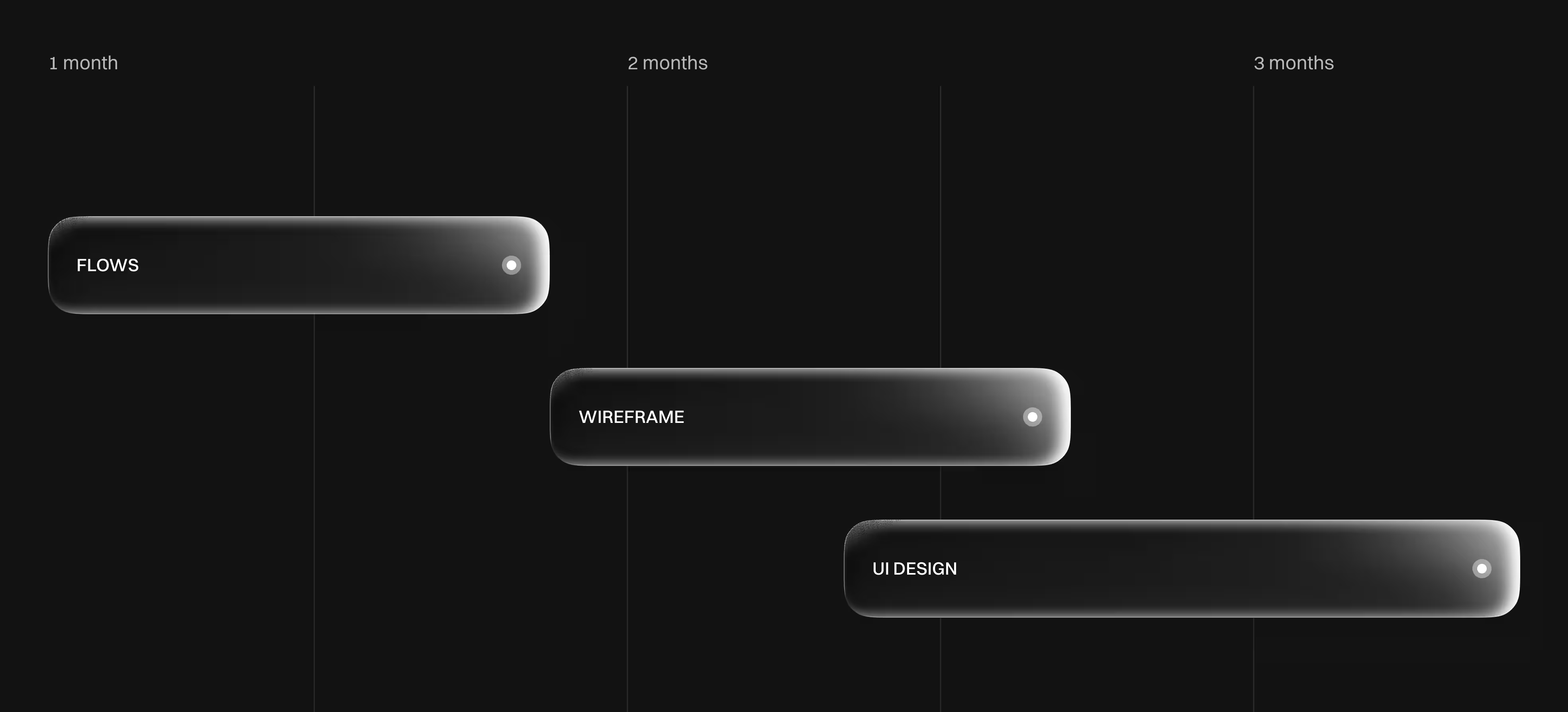
We aligned scope through wireframe review and built clear flows for players, clubs, and scouts. We designed low-fidelity wireframes first, then explored two visual styles before scaling to full UI and a system.
We kept feedback loops short using shared boards and in-file comments. Decisions were documented in flows and reflected in component states to reduce rework during UI.
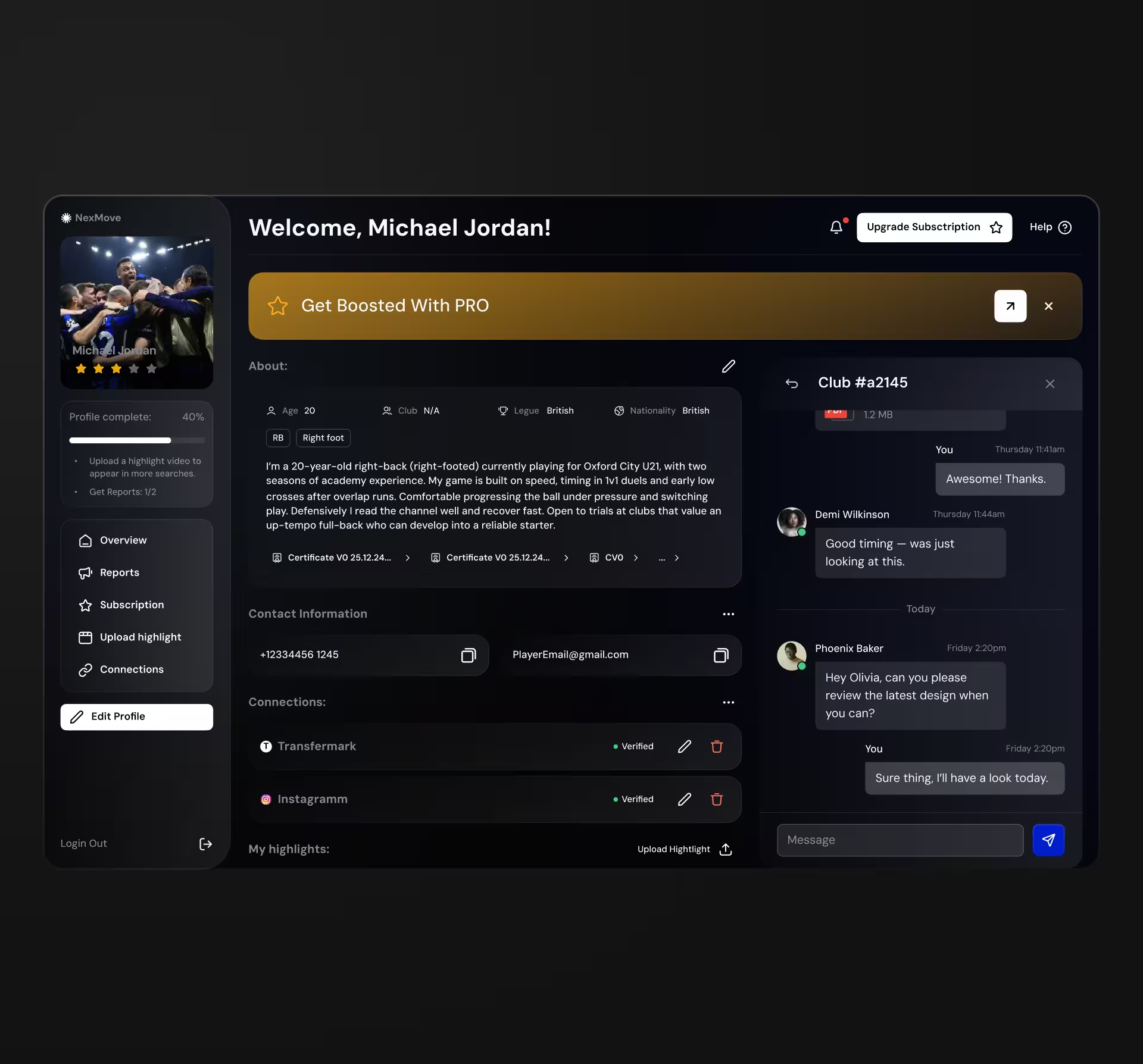
Users arrive with different goals and time pressure.
Landing content guides players, clubs, and scouts into the right journey. Copy and visuals set a semi-pro tone, not amateur.
Clear first steps without overwhelming navigation.
“Rating” easily reads as talent, not trust.
A 1–5 verification badge is framed as completeness and credibility. The UI explains sources: self-claimed, linked profiles, and scout validation.
Clubs understand what they can trust at a glance.
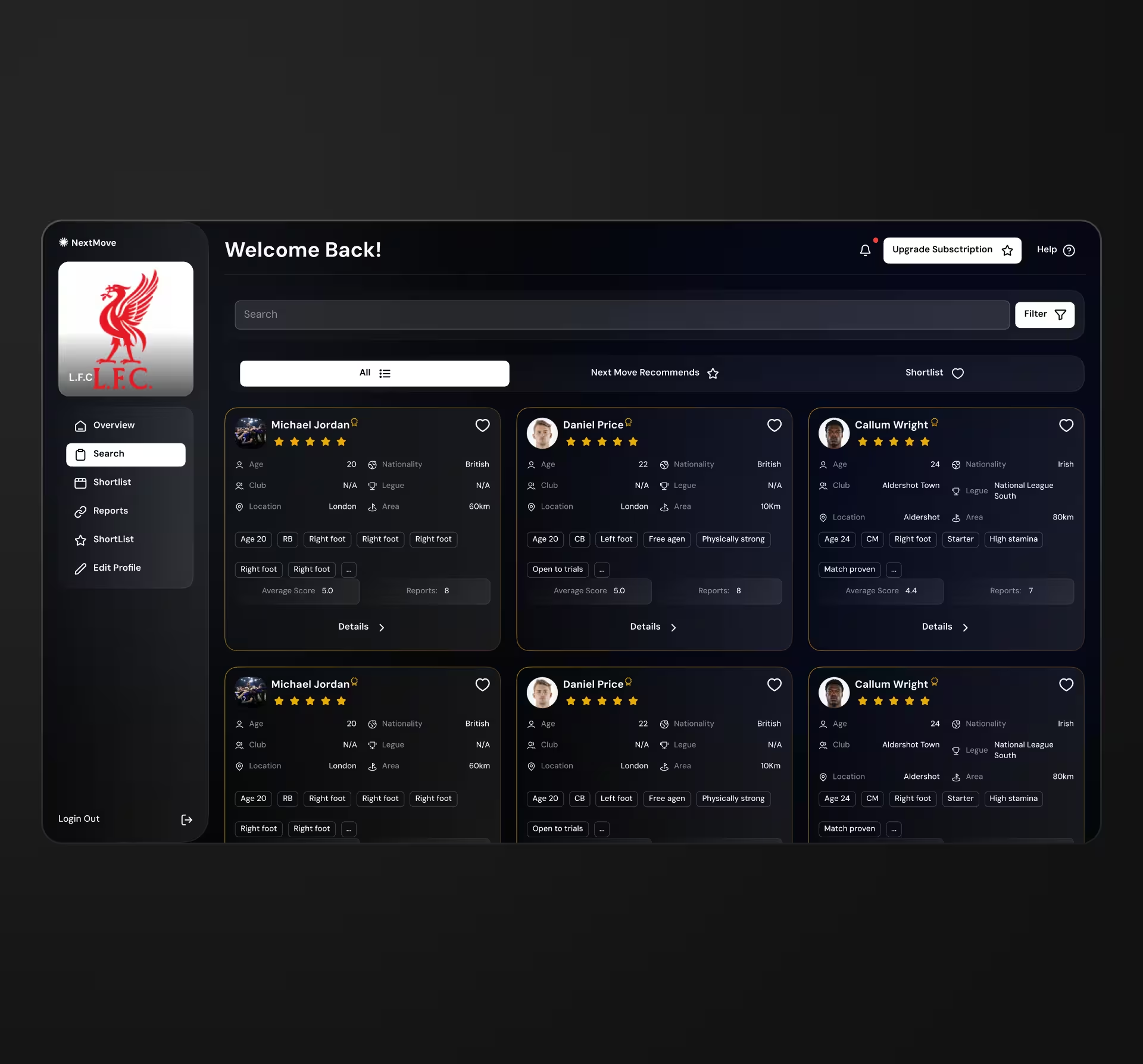
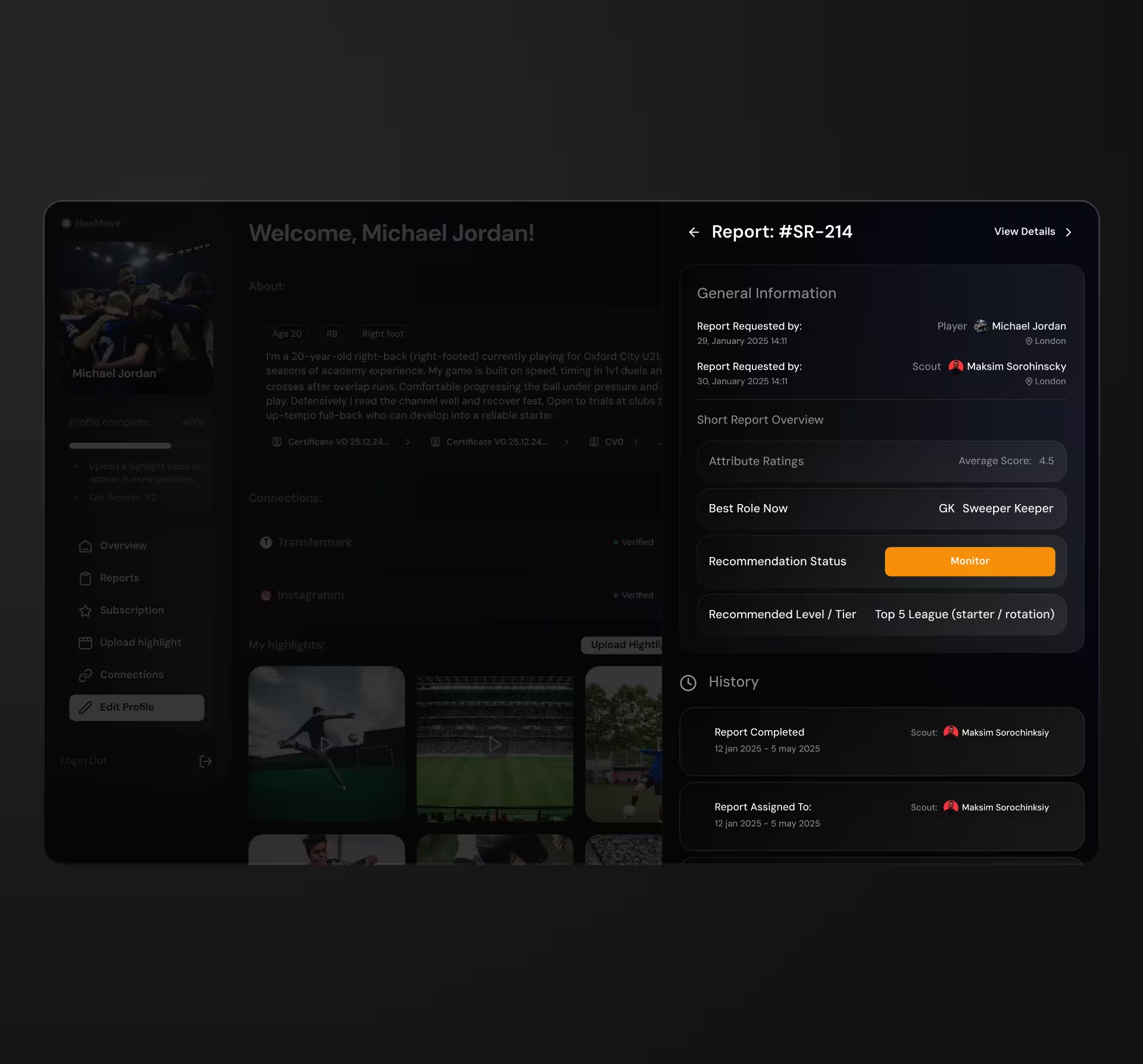
Reports are inconsistent and hard to compare.
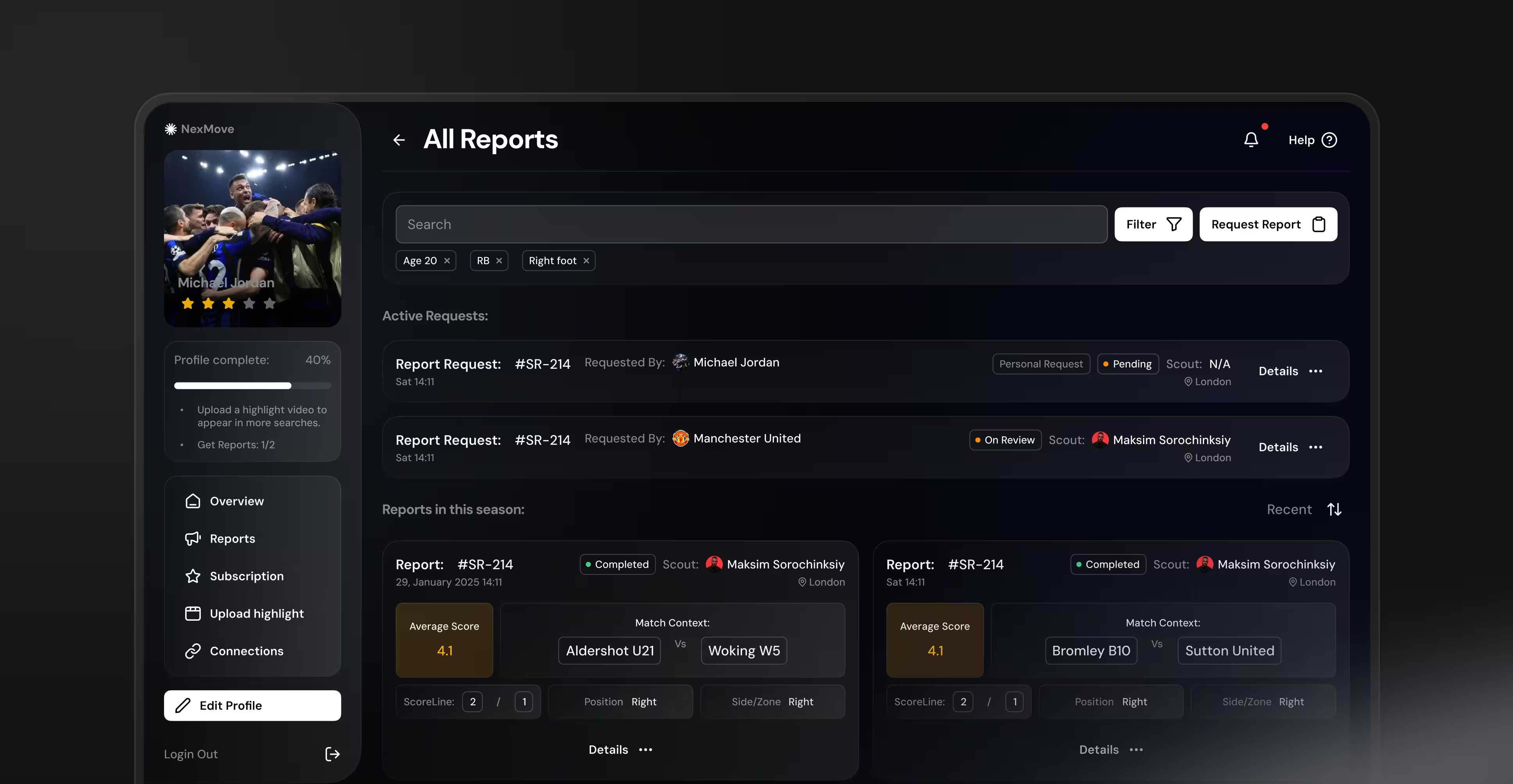
A structured report builder anchors ratings to evidence, match context, and role-specific KPIs. The output supports quick summaries and deeper dives.
Reports become readable, comparable, and reusable.
Clubs and scouts can be impersonated, creating reputational risk.
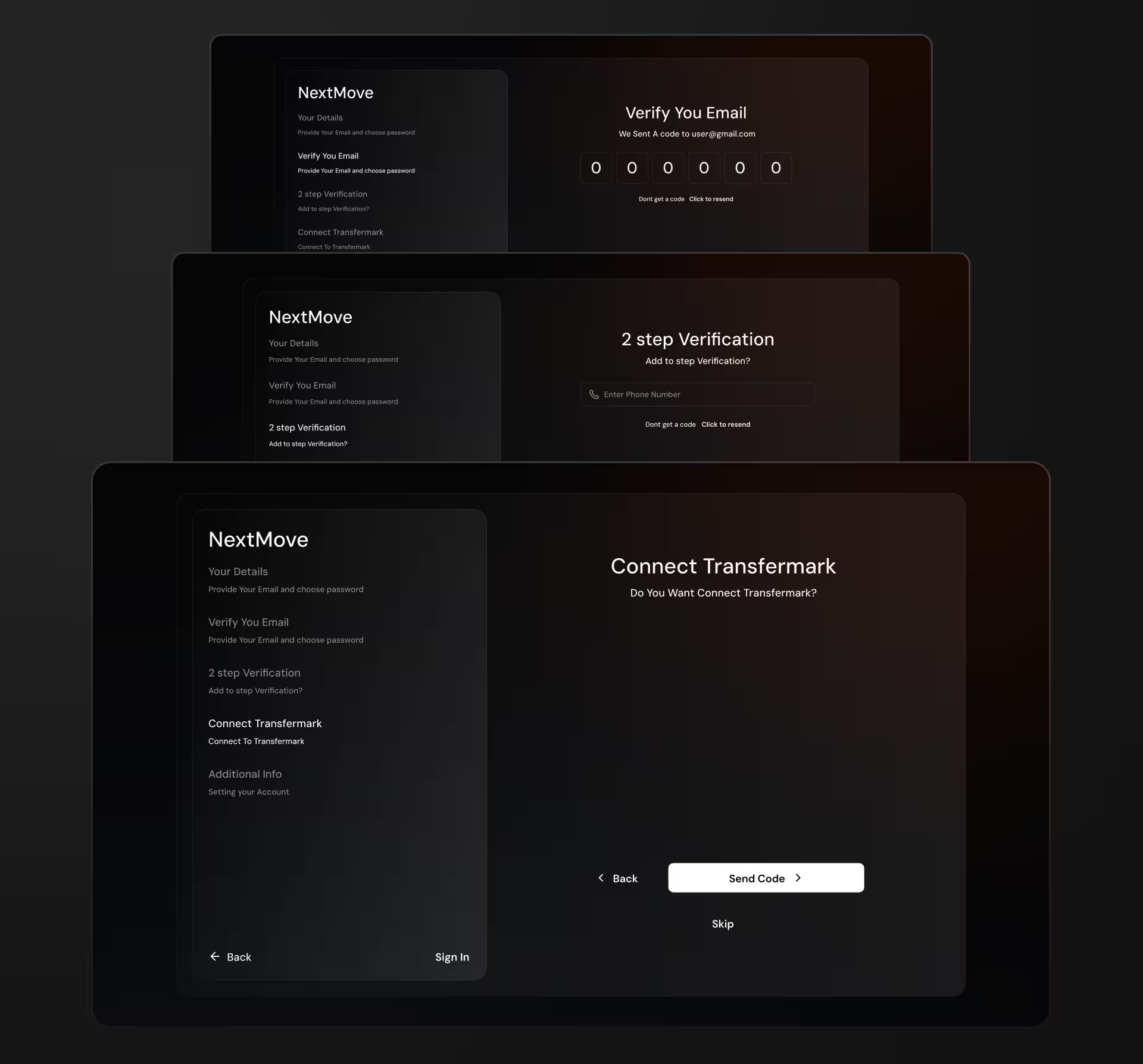
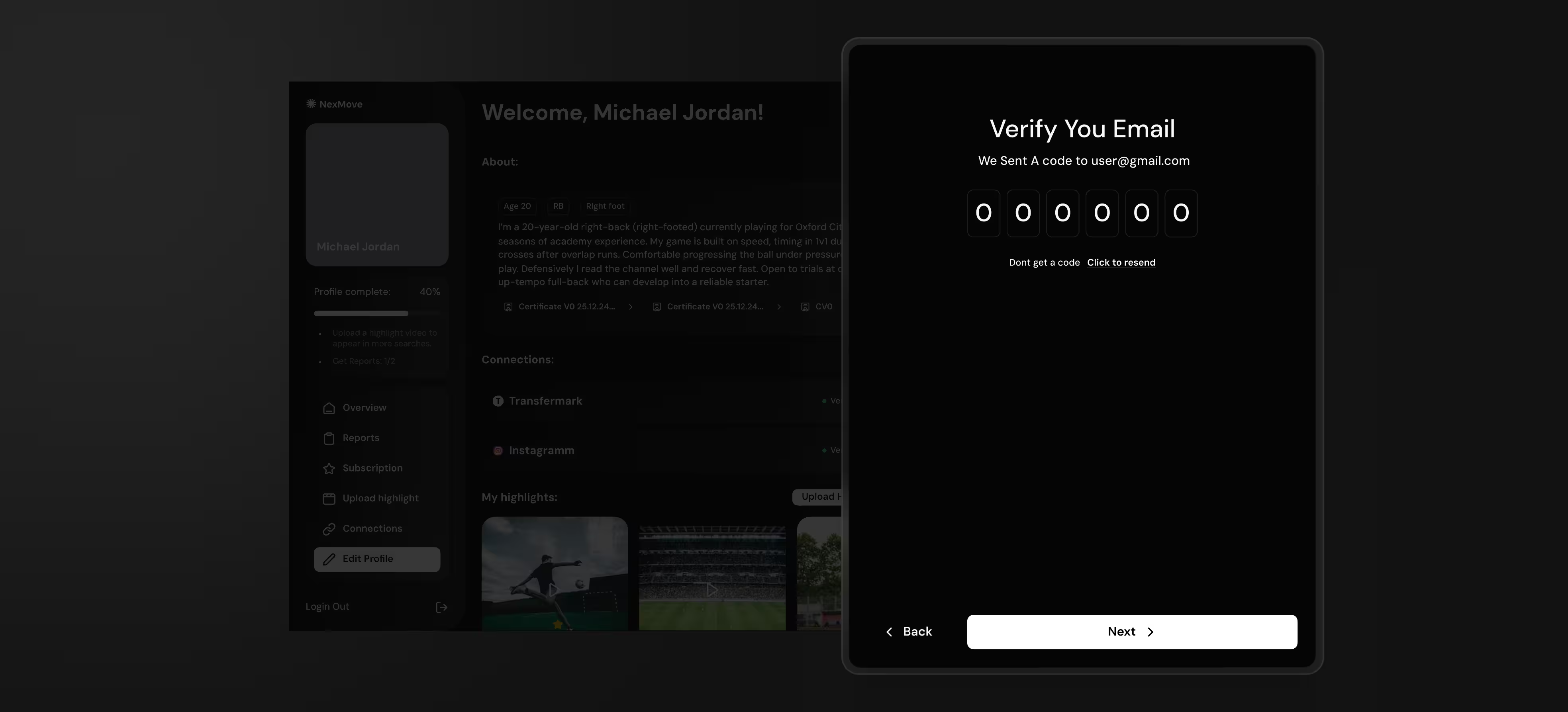
Registration includes verification logic and a status screen with progress feedback. Optional MFA is strongly recommended and supported.
Reduced misuse risk without bloating the MVP.
The report builder captures match context, anchored attribute ratings, and evidence links. It supports role-based KPIs so scouts avoid irrelevant fields. A short recommendation block keeps the decision readable for clubs.
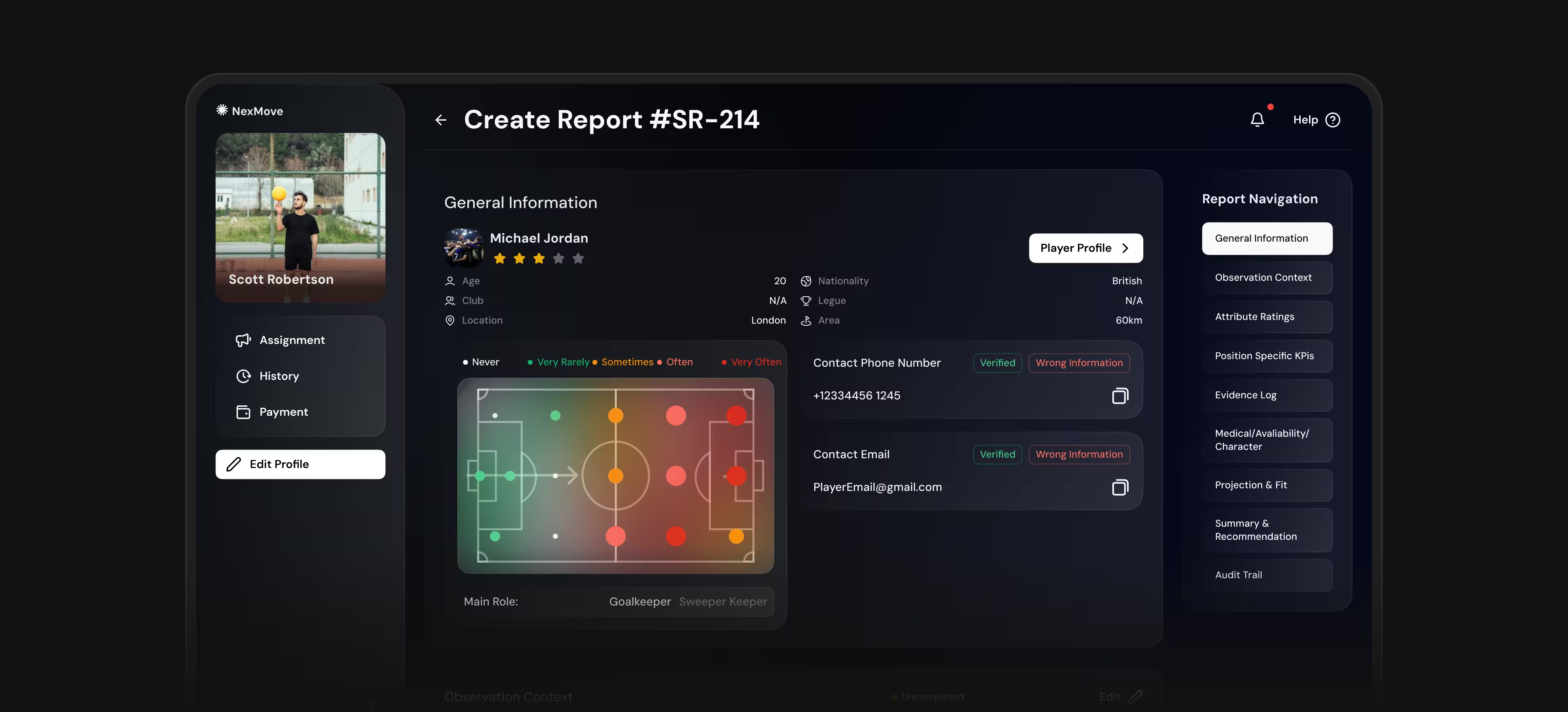
Navigation is built around journeys rather than site sections. Clubs see search and shortlist as primary, players see profile and uploads, scouts see assignments and submission. Dense data is grouped into collapsible blocks and cards for fast scanning.
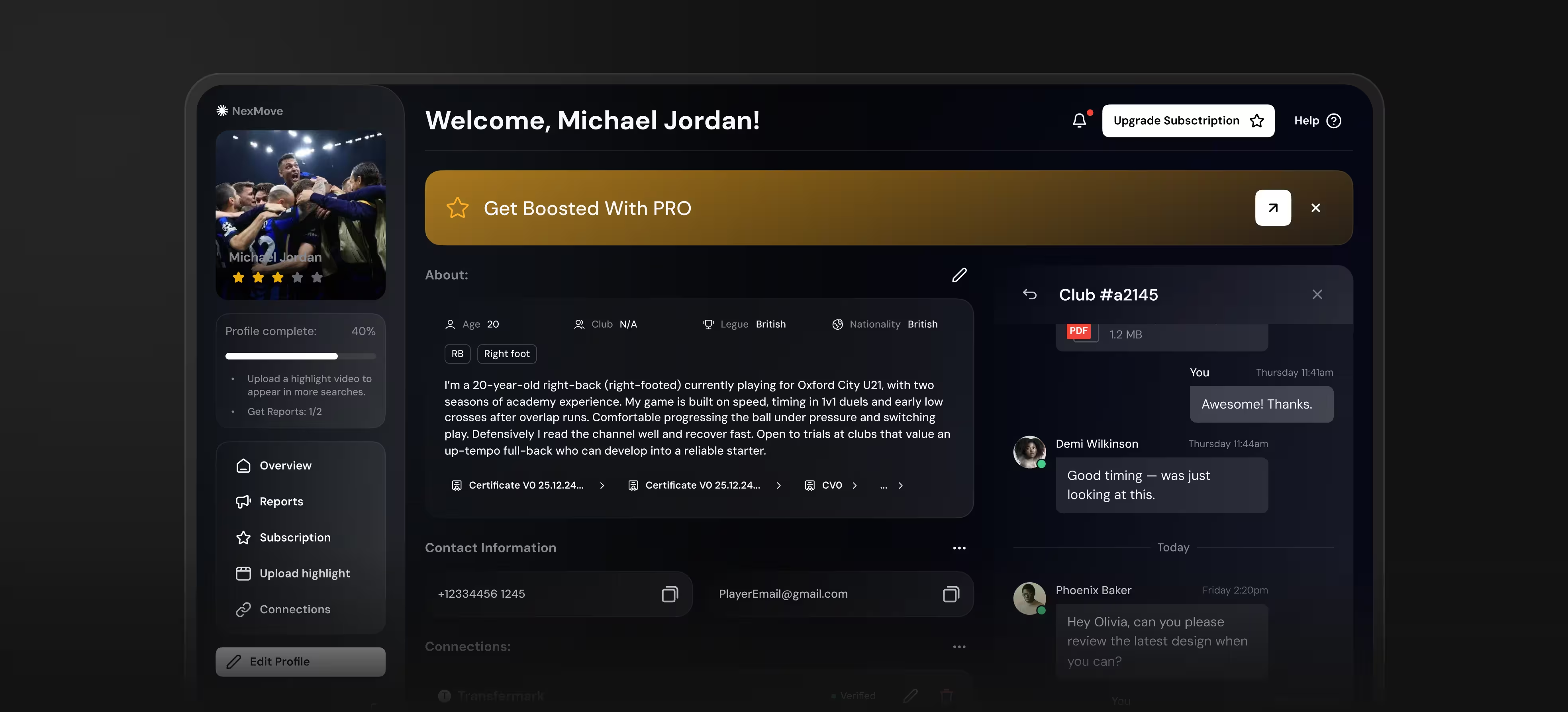
Verification gates are communicated through clear locked states and “unlock” prompts. Optional MFA is suggested during onboarding and can be enabled later from account settings. Progress feedback prevents “static waiting” during manual verification.
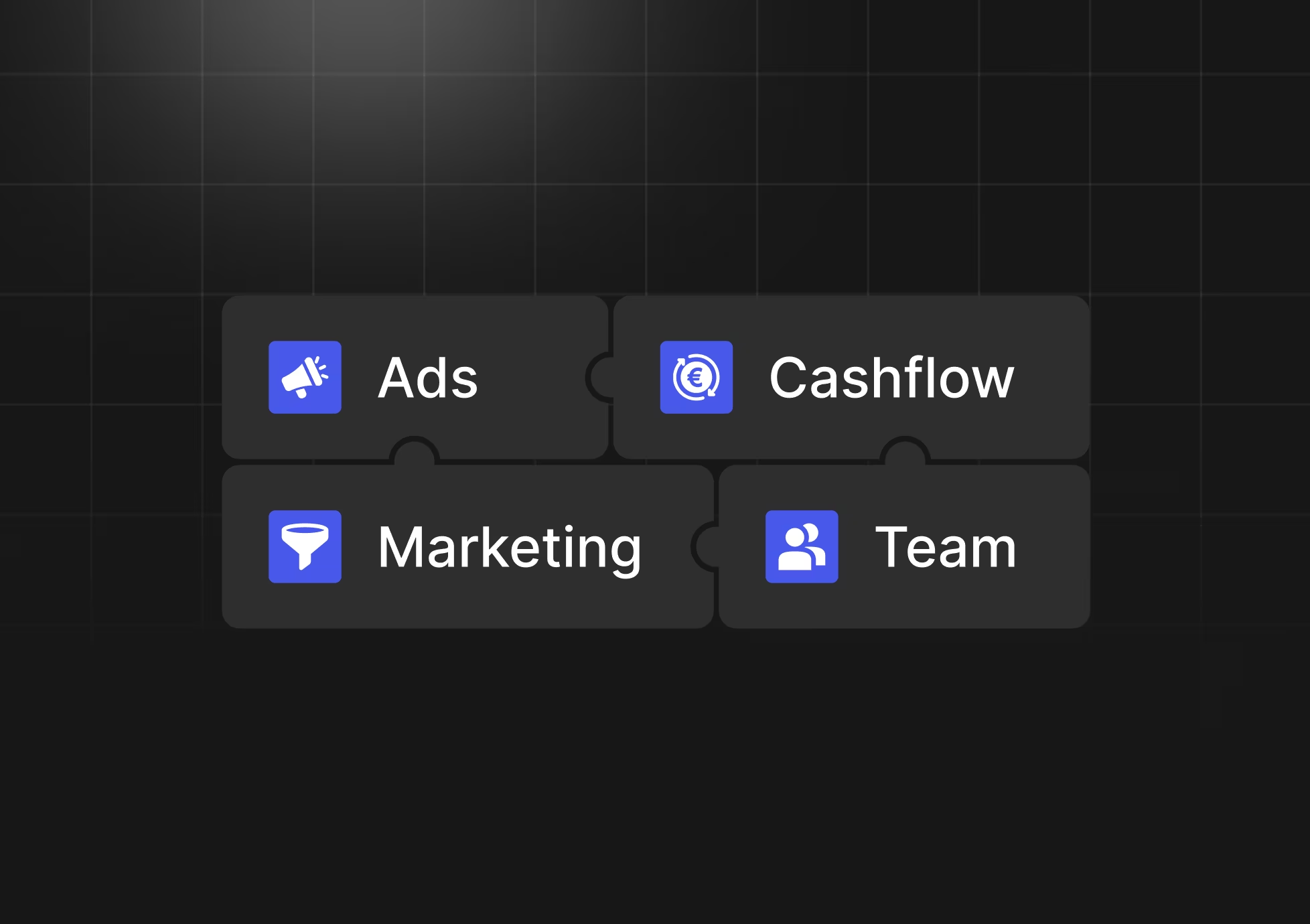

The UI system supports a mixed audience: darker energy for players, cleaner light surfaces for clubs and scouts. Components were designed with predictable states so the product can grow without UI fragmentation.
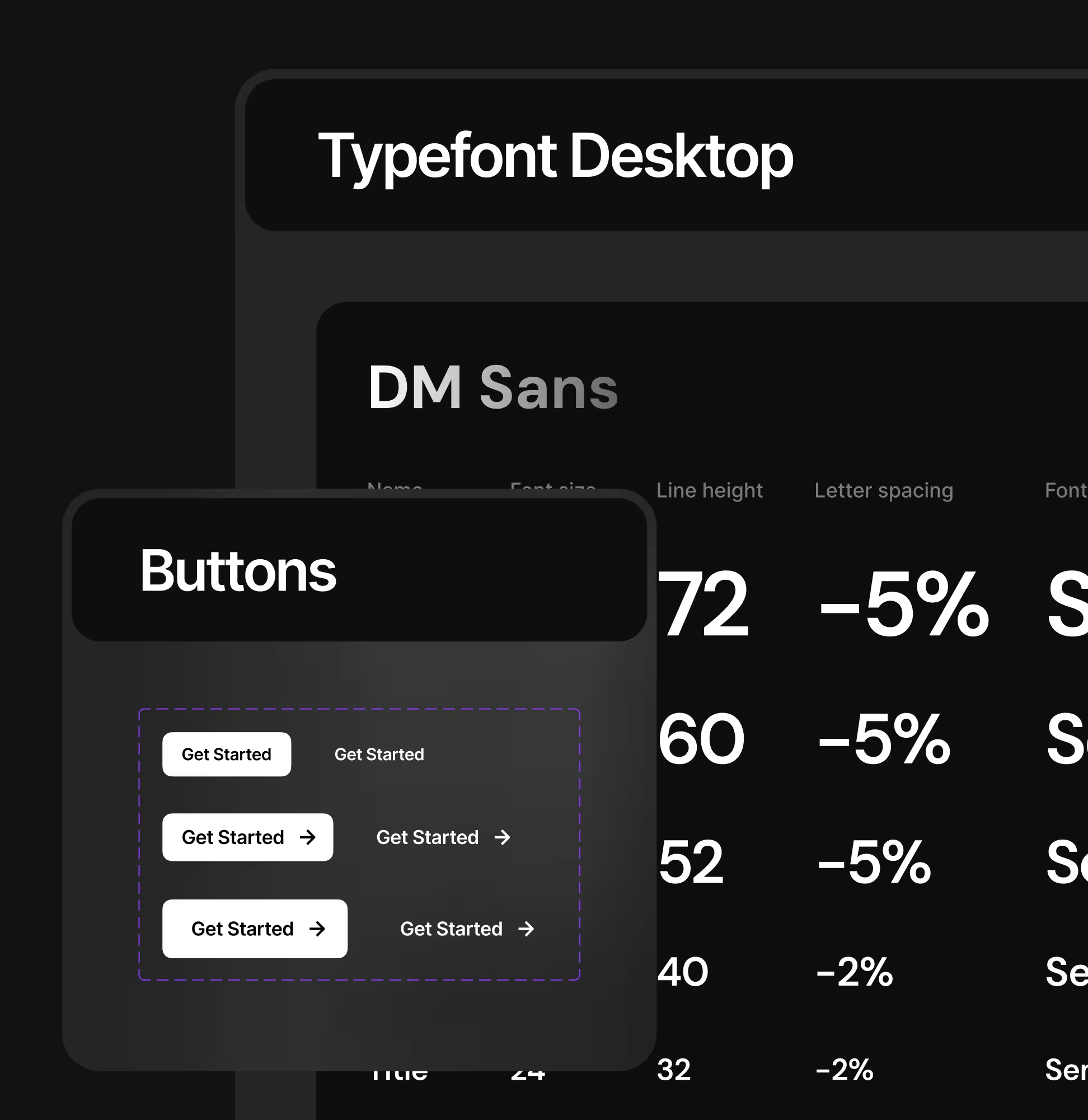
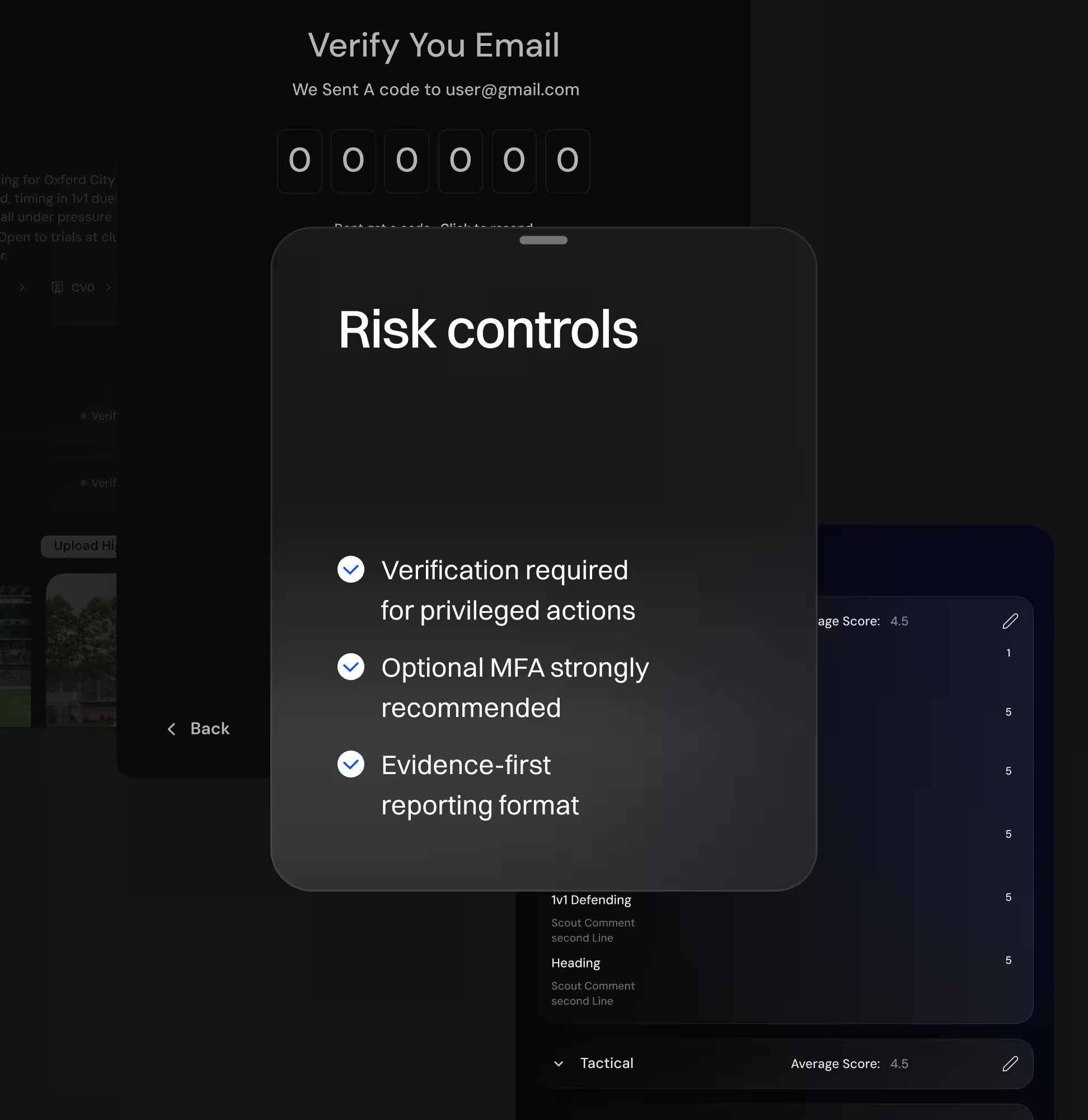
The MVP avoided heavy features while controlling trust and safety. Flows were reviewed iteratively, with decisions reflected in wireframes before UI. Verification rules were treated as a product risk, not just a UI detail.
The handoff is structured for developers to build without guessing states and permissions. The prototype demonstrates the intended journeys and gated moments. The system supports fast iteration once real data arrives.
Locked a web-first MVP suitable for pitching.
Aligned three role journeys into one product story.
Defined verification logic to reduce impersonation risk.
Turned scout reporting into a structured, comparable format.
Whether you are launching a SaaS product, redesigning an existing platform, or improving the website around it, we can help create a clearer and more scalable product experience.